Operational performance analytics for the identifiers 917227901, 65612350241000, 4197863583, 6024910703, 935167545, and 604866328 reveal critical trends in organizational efficiency. The analysis utilizes key performance indicators to highlight both strengths and weaknesses. These insights are pivotal for strategic decision-making. However, understanding the full implications of these findings requires further exploration into the specific metrics and their impact on overall performance.
Key Performance Indicators Overview
While organizations strive to enhance their operational efficiency, understanding Key Performance Indicators (KPIs) becomes essential for evaluating performance.
KPI trends provide insights into industry standards, while performance benchmarks enable organizations to measure their success against competitors.
Data Analysis and Insights
Data analysis serves as a cornerstone for deriving actionable insights that drive operational performance.
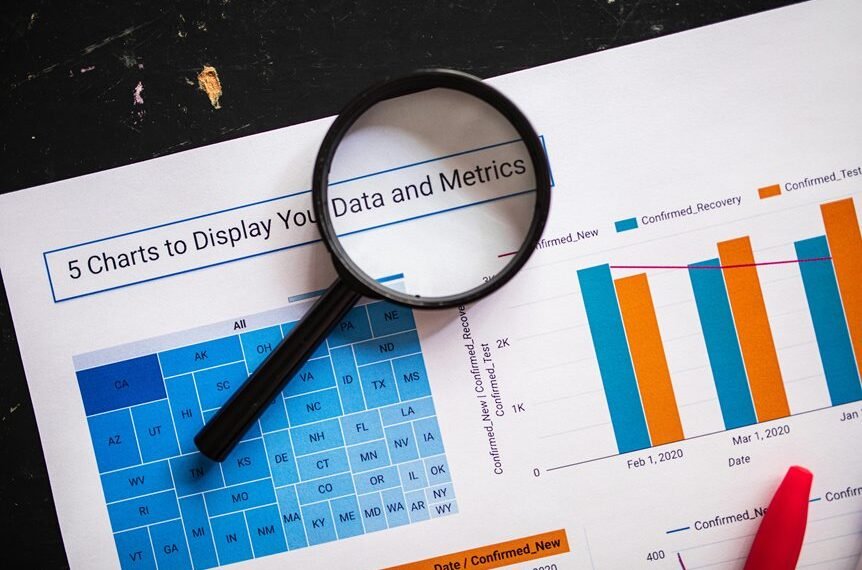
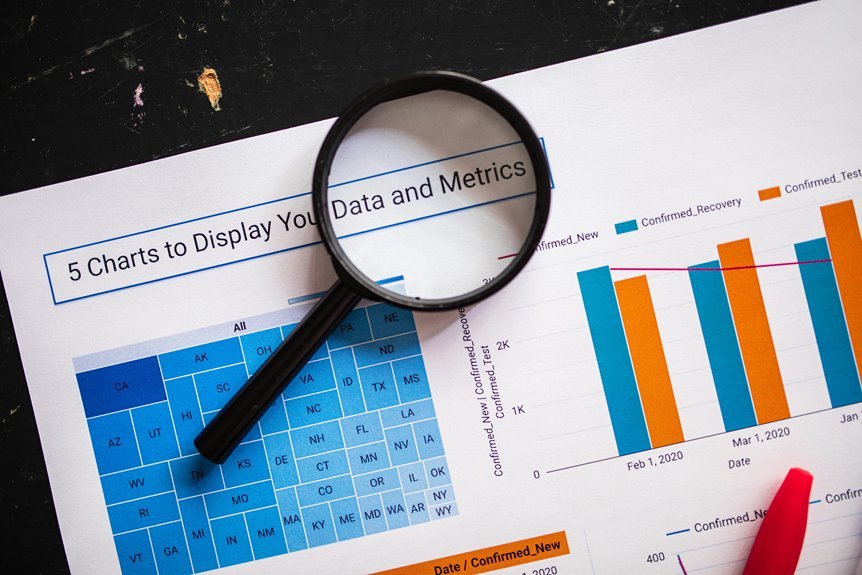
Through effective data visualization techniques, stakeholders can identify trends and anomalies swiftly.
Furthermore, predictive analytics enhances decision-making by forecasting future outcomes based on historical data patterns.
This combination empowers organizations to optimize resources, mitigate risks, and foster innovation, ultimately leading to improved operational efficacy and growth in a competitive landscape.
Strategic Implications for Organizations
Understanding the strategic implications of operational performance analytics is crucial for organizations seeking to maintain a competitive edge.
By achieving strategic alignment with analytics insights, organizations can enhance decision-making processes and drive performance optimization.
This alignment fosters a proactive approach, enabling firms to adapt swiftly to market changes, streamline operations, and ultimately achieve sustainable growth while preserving autonomy and flexibility in their strategies.
Recommendations for Continuous Improvement
Achieving strategic alignment through operational performance analytics sets the foundation for organizations to pursue continuous improvement effectively.
Recommendations include implementing process optimization techniques that enhance efficiency and reduce waste.
Establishing robust feedback loops facilitates real-time insights, enabling organizations to adapt swiftly to changing conditions.
Conclusion
In conclusion, the operational performance analytics for identifiers 917227901, 65612350241000, 4197863583, 6024910703, 935167545, and 604866328 illuminate pathways to unprecedented efficiency and effectiveness. By harnessing these insights, organizations can not only navigate the complexities of market dynamics but also elevate their operational capabilities to stratospheric heights. Continuous improvement initiatives, driven by data-informed strategies, will empower organizations to sustain growth and maintain a competitive edge in an ever-evolving landscape.