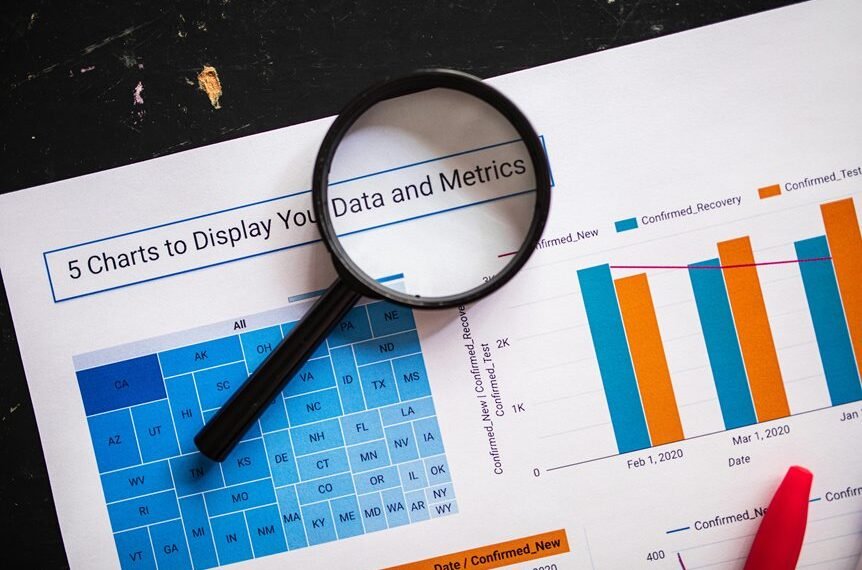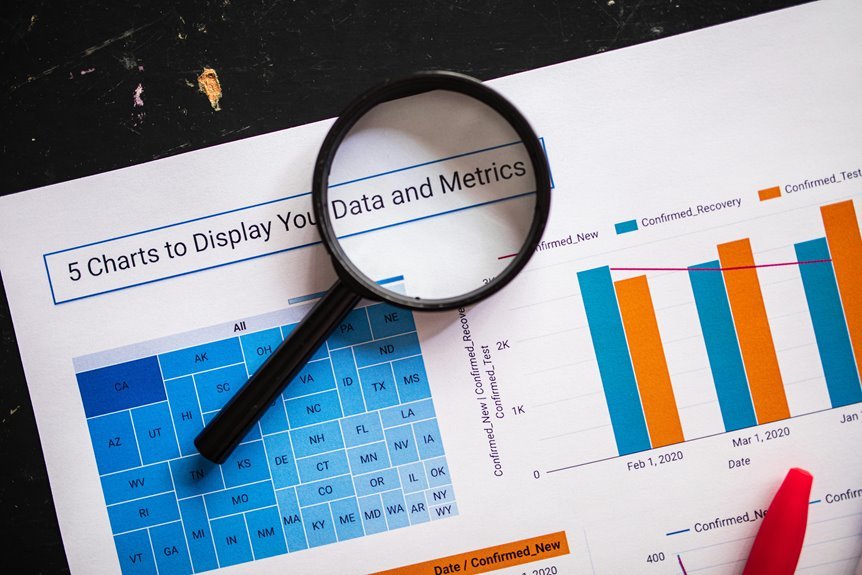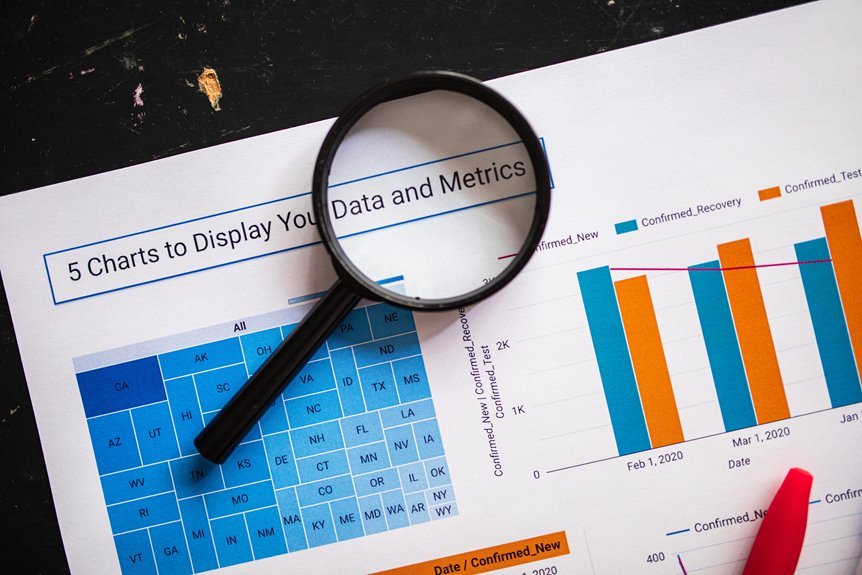
Enterprise evaluation and performance data, represented by metrics such as 23187000, 662903, and others, play a pivotal role in shaping organizational strategies. These figures provide insights that can drive operational efficiency and inform decision-making processes. By systematically analyzing these metrics, companies can identify trends and benchmark against industry standards. However, the challenge lies in effectively translating this data into actionable strategies that foster innovation and enhance competitiveness. What steps can organizations take to maximize the potential of their performance data?
Understanding the Importance of Performance Data
The significance of performance data in enterprise evaluation cannot be overstated, as it serves as a foundational element for informed decision-making.
Effective performance measurement fosters a data-driven culture, where organizations leverage insights to enhance productivity and innovation.
Analyzing Data Sets for Operational Insights
Harnessing the power of data analysis enables organizations to extract meaningful operational insights from complex data sets.
By employing data visualization techniques, predictive analytics, and correlation analysis, organizations can enhance trend identification and anomaly detection.
Effective dashboard design facilitates metric benchmarking and data storytelling, allowing stakeholders to grasp insights quickly, thereby driving informed decision-making and fostering a culture of continuous improvement.
Leveraging Metrics for Strategic Decision-Making
While organizations increasingly rely on data-driven approaches, effectively leveraging metrics for strategic decision-making remains crucial.
Utilizing data visualization techniques enhances comprehension of complex datasets, while predictive analytics applications forecast future trends and behaviors.
Driving Innovation and Efficiency Through Data Analysis
Data analysis serves as a catalyst for driving innovation and enhancing operational efficiency within organizations.
By employing data visualization techniques, stakeholders can easily interpret complex data, facilitating informed decision-making.
Furthermore, predictive analytics applications enable companies to anticipate market trends and optimize resource allocation.
This strategic approach not only fosters innovation but also streamlines processes, ultimately empowering organizations to thrive in a competitive landscape.
Conclusion
In conclusion, the strategic integration of performance metrics—such as 23187000 and 662903—serves as a compass for enterprises navigating operational challenges. By systematically analyzing these data points alongside others like 8000472792 and 633539547, organizations can illuminate pathways for innovation and efficiency. This data-driven approach not only fosters informed decision-making but also aligns with industry benchmarks, ultimately enhancing competitive positioning. Thus, performance data becomes a vital thread weaving together insight, strategy, and operational excellence.