The Corporate Insights & Analytics Summary for the identified entities reveals crucial performance metrics and operational trends. An analysis of key performance indicators highlights areas of efficiency and productivity. The use of real-time analytics supports a comprehensive understanding of market conditions. This sets the stage for strategic adaptations and growth opportunities. However, the implications of these findings warrant further exploration. What specific strategies will emerge from these insights?
Overview of Key Data Points
While organizations increasingly rely on data-driven strategies, understanding the key data points becomes critical for informed decision-making.
Key performance indicators (KPIs) serve as benchmarks to assess efficiency and productivity.
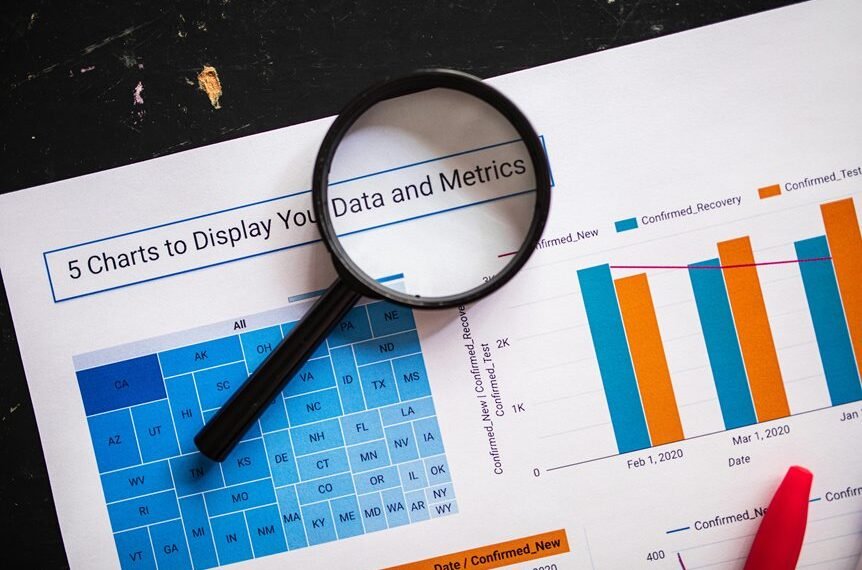
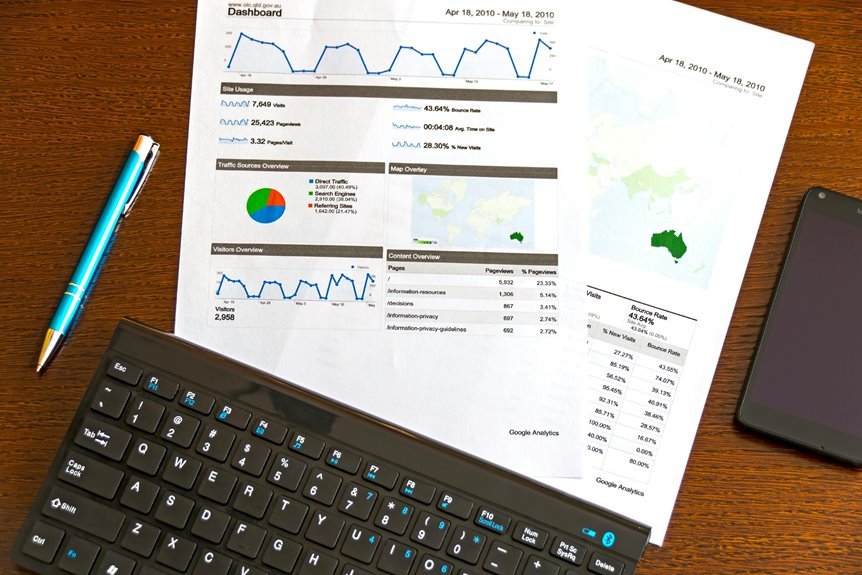
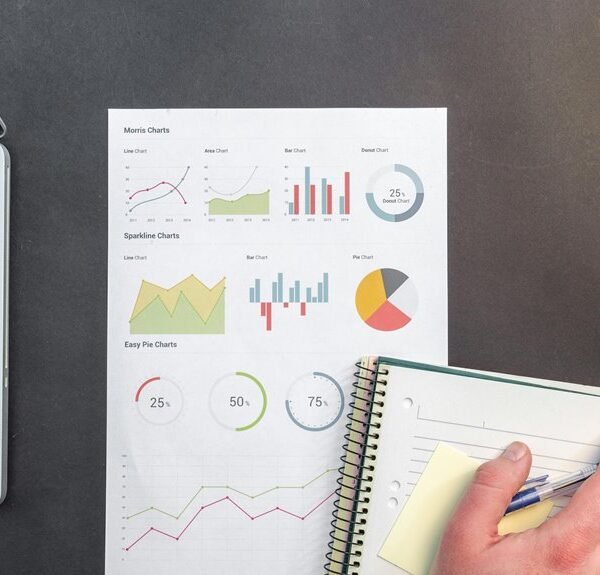
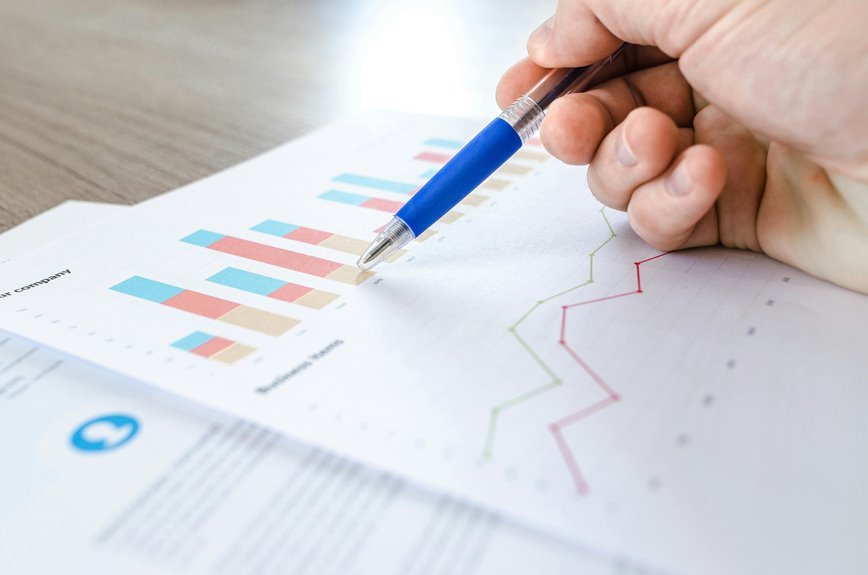
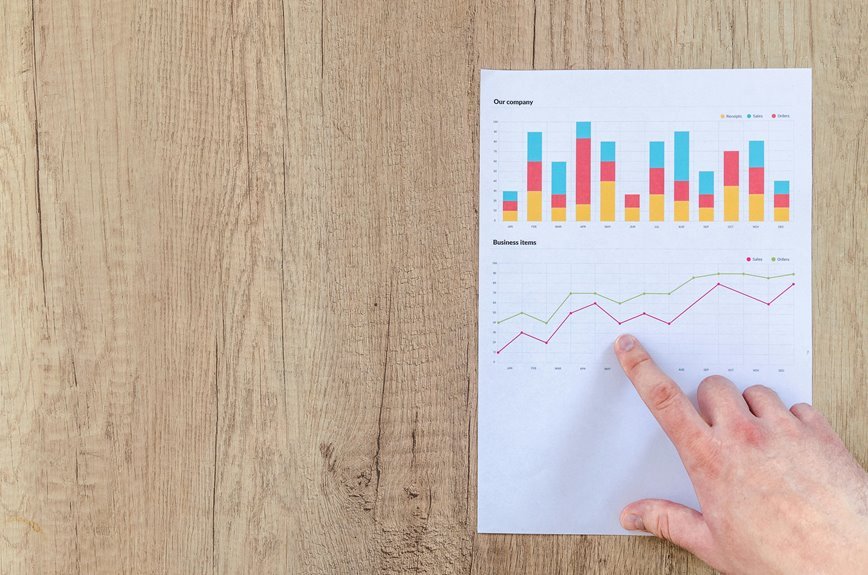
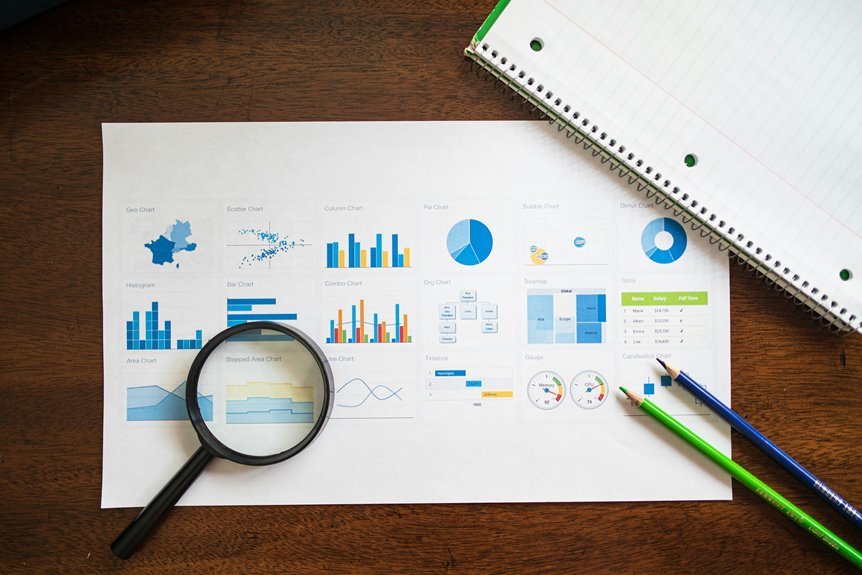
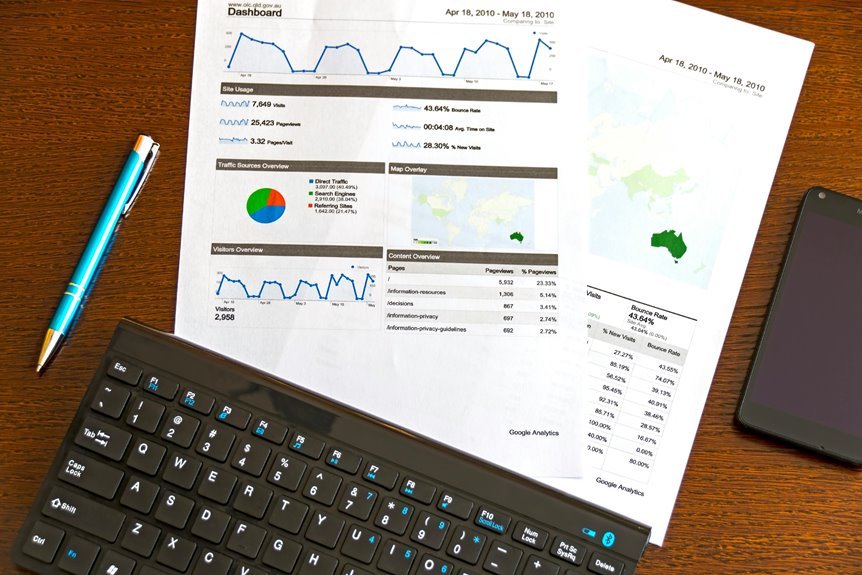
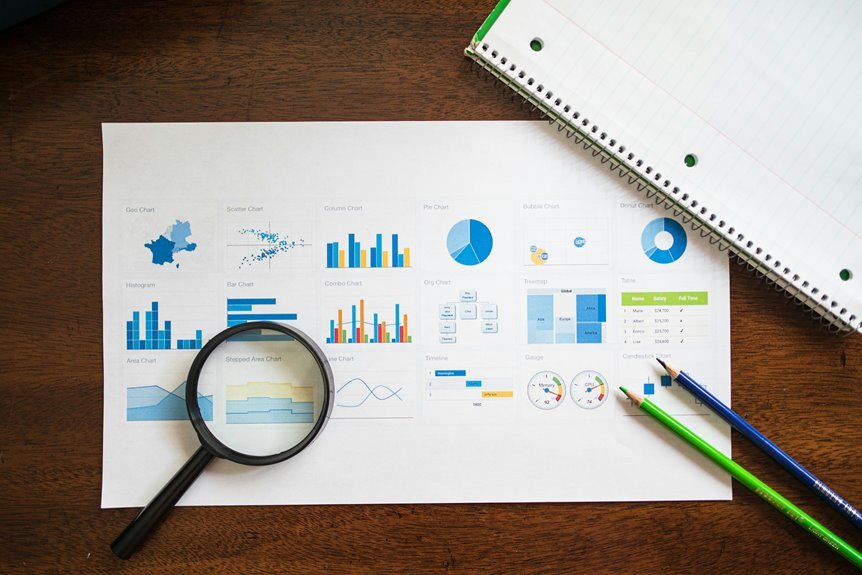
Effective data visualization transforms complex datasets into actionable insights, enabling stakeholders to grasp trends and patterns swiftly.
This clarity empowers organizations to adapt and innovate, ultimately fostering an environment conducive to growth and autonomy.
Trend Analysis
Trend analysis serves as a vital tool for organizations seeking to interpret historical data and forecast future performance.
By examining market fluctuations and consumer behavior, companies can identify patterns that inform strategic decisions.
This analytical approach enables businesses to adapt to changing conditions, ensuring they remain responsive to market dynamics while optimizing their operations for future growth and sustainability.
Strategic Implications
How can organizations leverage insights from trend analysis to shape their strategic outlook?
By ensuring strategic alignment with market dynamics, organizations can identify emerging opportunities and threats. This alignment not only enhances decision-making but also fosters a sustainable competitive advantage.
Emphasizing data-driven strategies allows firms to adapt proactively, ensuring resilience and growth in an increasingly volatile business environment.
Recommendations for Optimization
To optimize organizational performance, companies must adopt a multifaceted approach that integrates data analytics into their operational frameworks.
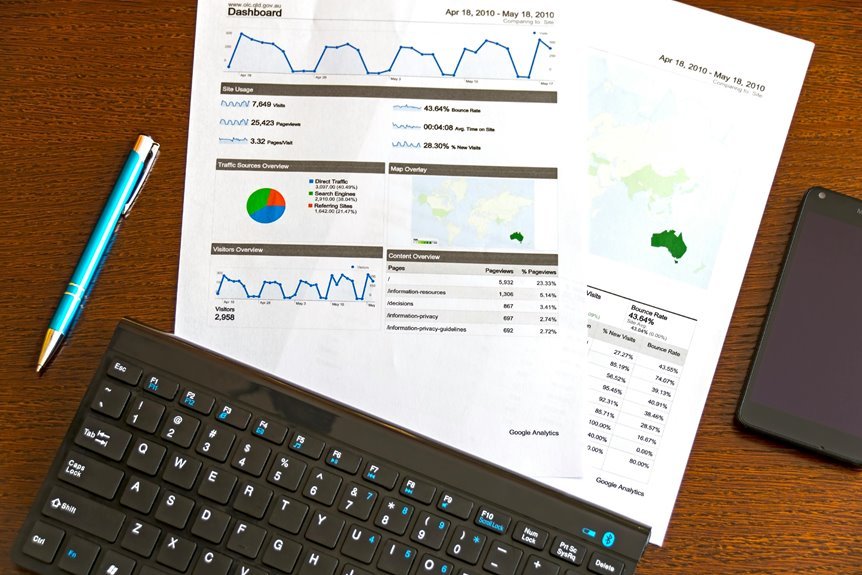
Enhancing data efficiency through real-time analytics allows for informed decision-making, improving resource allocation.
Conclusion
In conclusion, the Corporate Insights & Analytics Summary underscores the importance of data-driven strategies in enhancing operational efficiency and harnessing market dynamics. By leveraging real-time analytics, organizations can identify growth opportunities, adapt proactively to changes, and maintain a competitive edge. The emphasis on key performance indicators and effective data visualization not only informs decision-making but also fosters resilience in an ever-evolving landscape. Thus, embracing these insights is essential for sustained success and strategic optimization moving forward.