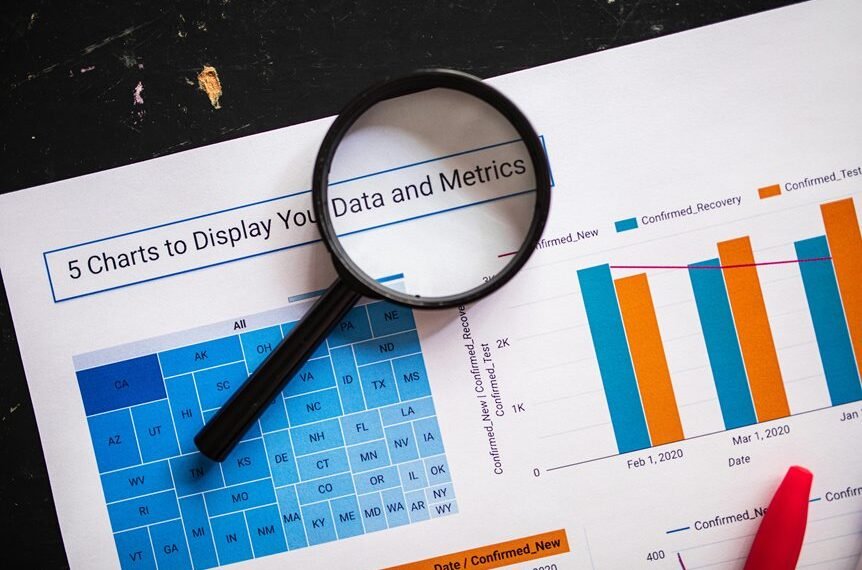
Advanced analytics serves as a vital tool for organizations aiming to navigate complex market trends. By employing specific identifiers such as 40314500 and 6995076336, companies can analyze consumer behavior and identify emerging patterns. This analytical approach facilitates predictive modeling, allowing businesses to refine their strategies. However, the effectiveness of these insights hinges on how well they adapt to ongoing market dynamics. What implications arise when organizations embrace these advanced methodologies?
Understanding Key Identifiers in Market Analytics
While many organizations strive to leverage market analytics for strategic decision-making, understanding the key identifiers that drive these analyses is crucial for deriving actionable insights.
Identifier significance plays a pivotal role in data categorization, enabling firms to discern patterns and trends.
Leveraging Data for Predictive Insights
Leveraging data for predictive insights has become an essential practice for organizations aiming to stay ahead in competitive markets.
By employing predictive modeling techniques, businesses can anticipate future trends and customer behaviors.
Furthermore, effective data visualization transforms complex data sets into actionable insights, facilitating informed decision-making.
This strategic approach empowers organizations to harness their data, fostering innovation and enhancing competitive advantage.
Optimizing Business Strategies Through Advanced Analytics
As organizations increasingly adopt advanced analytics, they find that optimizing business strategies becomes not only feasible but essential for sustaining growth.
By leveraging data visualization, companies can transform complex datasets into actionable insights, enhancing decision making.
This strategic approach allows businesses to align resources effectively, anticipate market shifts, and foster innovation, ultimately empowering them to navigate an ever-evolving landscape with confidence.
Adapting to Market Dynamics and Consumer Behavior
In an environment where consumer preferences and market conditions shift rapidly, businesses must develop agility to remain competitive.
Embracing behavioral analytics enables precise audience segmentation, allowing for effective dynamic pricing strategies.
By actively monitoring consumer trends and employing trend forecasting, organizations can enhance market adaptability.
This strategic approach not only aligns with evolving demands but also fosters resilience in an unpredictable economic landscape.
Conclusion
In conclusion, advanced analytics, powered by key identifiers, serves as a crystal ball for businesses navigating the complexities of market trends. By harnessing predictive insights and optimizing strategies, organizations can not only anticipate consumer behavior but also adapt with unparalleled agility. As market dynamics shift like sand in the wind, those who embrace these analytical tools will emerge not just as survivors, but as titans of innovation, ready to conquer the ever-evolving landscape of consumer needs.