Global analytics and competitive benchmarking are essential for organizations seeking to navigate complex markets. The numerical values 965118579, 6786082762, 287516665, 9057591253, 913418169, and 663594618 may signify pivotal performance indicators that inform strategic decisions. Understanding how these metrics align with industry standards can reveal opportunities for growth. However, the implications of these insights extend beyond mere numbers. What strategies can businesses employ to leverage this information effectively?
The Importance of Global Analytics in Business Strategy
As businesses navigate an increasingly interconnected global market, the role of global analytics becomes paramount in shaping effective business strategies.
Utilizing data-driven decisions, organizations can identify and respond to emerging market trends, enhancing their competitive edge.
Understanding Competitive Benchmarking
Competitive benchmarking serves as a critical process for organizations aiming to measure their performance against industry standards and best practices.
This method encompasses competitive analysis and the evaluation of performance metrics, allowing businesses to gain strategic insights.
Tools and Techniques for Effective Data Analysis
Utilizing advanced tools and techniques for effective data analysis is essential for organizations seeking to enhance their competitive benchmarking efforts.
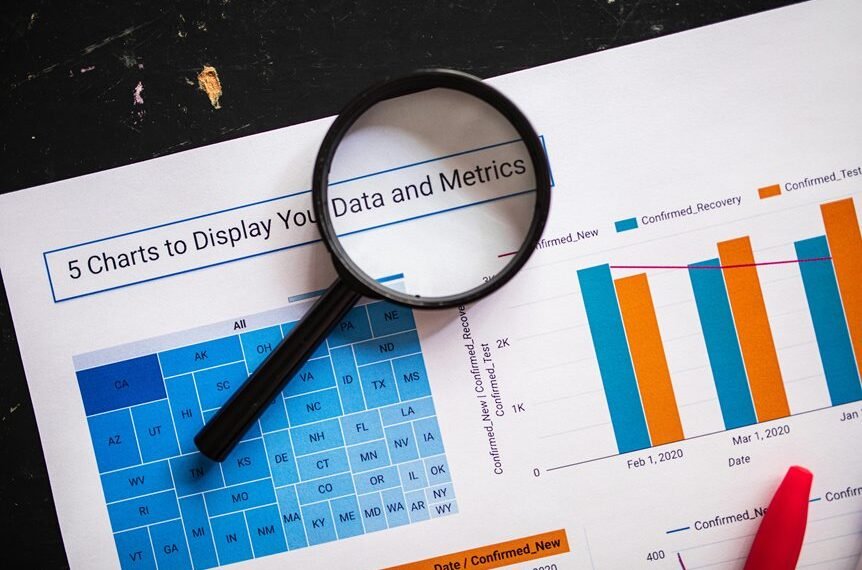
Data visualization enables clear insights from complex datasets, making trends and patterns easily discernible.
Meanwhile, predictive modeling allows organizations to forecast outcomes and make informed decisions, ultimately fostering a culture of data-driven strategies that promote agility and sustained competitive advantage in a dynamic marketplace.
Case Studies: Successful Implementation of Analytics and Benchmarking
Organizations that effectively leverage advanced analytics and benchmarking techniques can achieve significant improvements in performance and strategic positioning.
Case studies illustrate analytics success across various sectors, showcasing how tailored benchmarking strategies enable firms to identify competitive advantages.
Conclusion
In the realm of business, global analytics and competitive benchmarking serve as a compass in a vast ocean of data, guiding organizations toward informed decision-making. For instance, a leading tech firm, by analyzing performance metrics similar to the ones discussed—like the striking figure of 9057591253—identified a market shift before competitors, allowing it to pivot strategically. This foresight exemplifies how harnessing data not only sharpens competitive edge but also fosters resilience in an ever-evolving landscape.