Industry benchmarking and forecast analysis play a crucial role in enhancing organizational performance. Utilizing metrics such as 602683548, 902337766, and others, firms can assess their standing against competitors. This evaluation drives strategic planning and operational optimization. However, the effectiveness of these practices hinges on identifying relevant key performance indicators and leveraging data accurately. The implications of these metrics could reveal surprising insights that may shift the understanding of market dynamics.
Understanding Industry Benchmarking
Although various industries may differ in their specific metrics and standards, industry benchmarking serves as a critical tool for organizations seeking to evaluate their performance relative to peers.
Employing diverse benchmarking methodologies, firms can engage in competitive analysis to identify best practices and areas for improvement.
This process enables organizations to align strategies with industry standards, fostering a more informed approach to performance enhancement.
The Importance of Forecast Analysis
Forecast analysis plays a vital role in strategic planning, serving as a tool for organizations to predict future market trends and operational performance.
Enhanced forecast accuracy achieved through predictive modeling enables businesses to make informed decisions, allocate resources efficiently, and mitigate risks.
Key Performance Indicators to Monitor
Accurate forecast analysis sets the stage for organizations to identify and monitor key performance indicators (KPIs) that drive their success.
By focusing on KPI metrics, businesses can track performance trends effectively, enabling them to make informed decisions and optimize operations.
Monitoring these indicators allows for a proactive approach to performance management, fostering an environment where organizations can achieve their strategic objectives and enhance overall effectiveness.
Leveraging Data for Strategic Decision-Making
Data serves as a critical asset for organizations seeking to enhance their strategic decision-making processes.
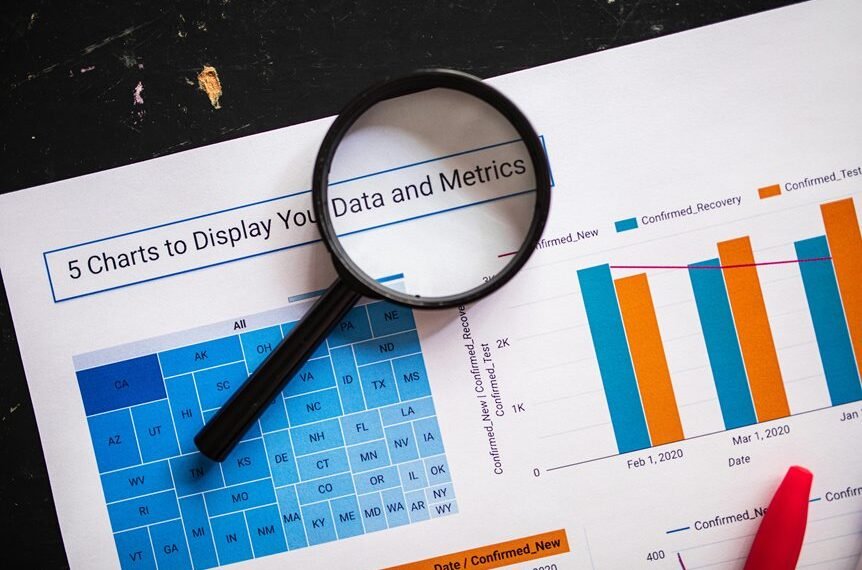
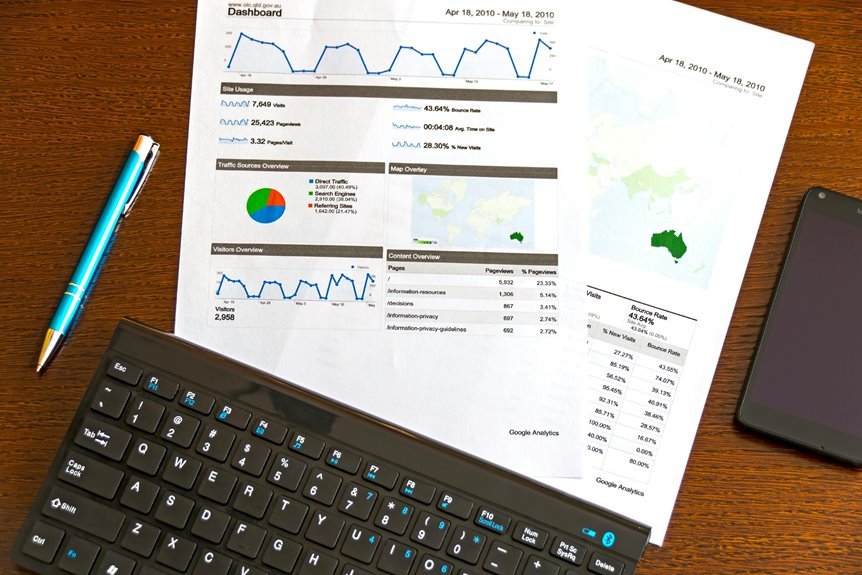
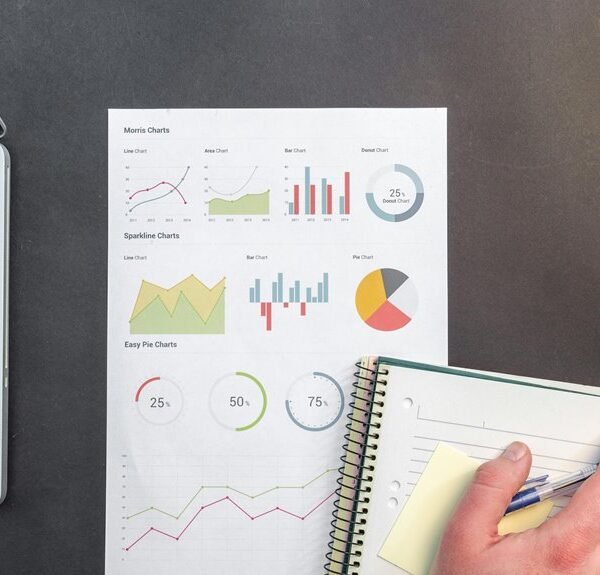
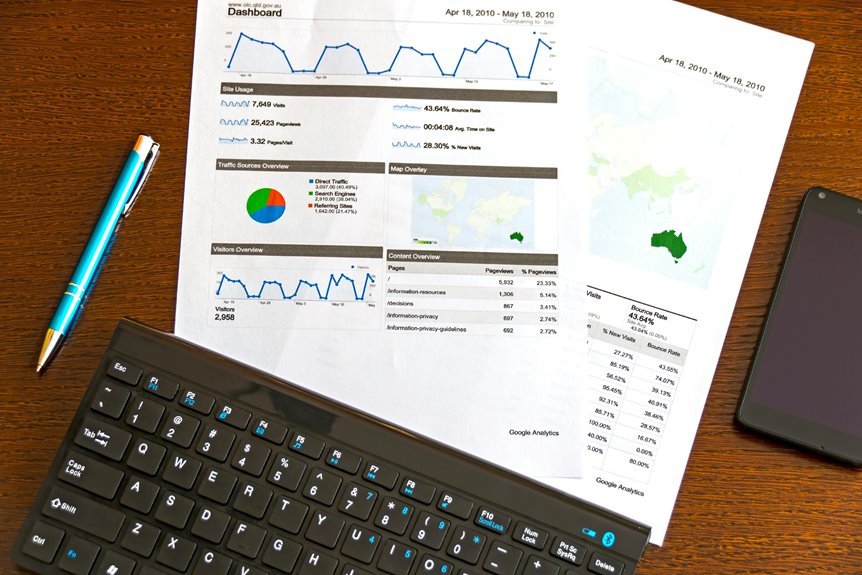
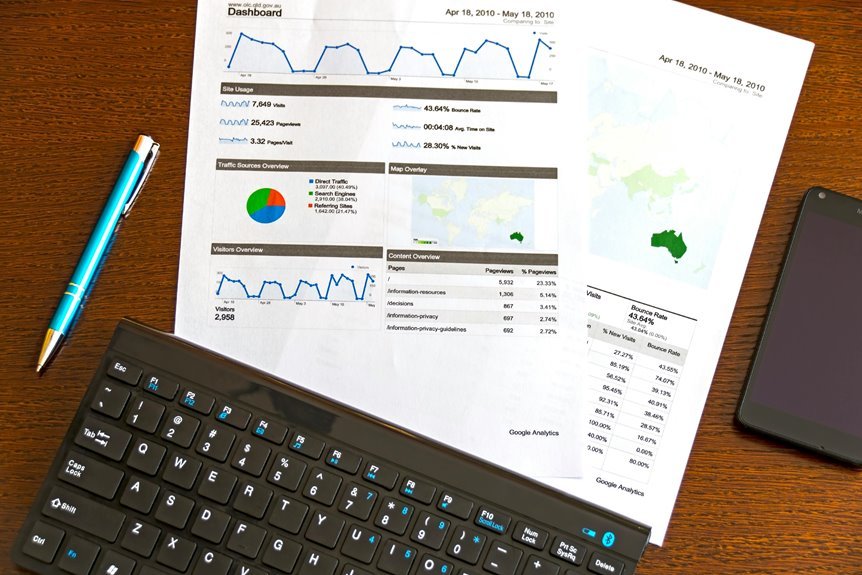
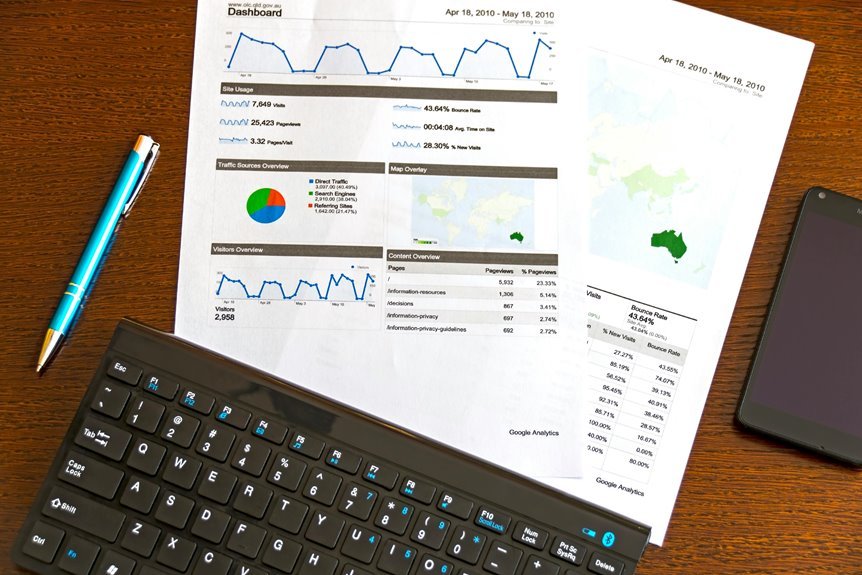
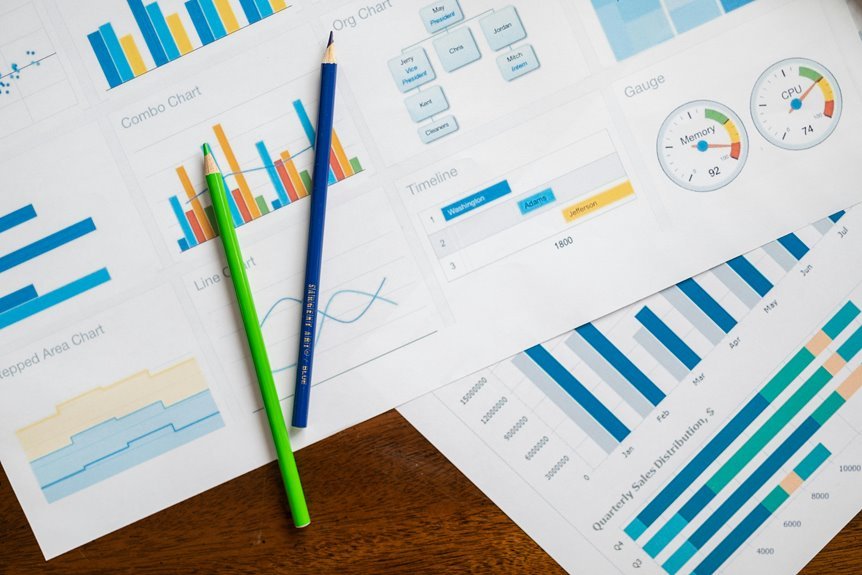
By employing data visualization techniques, stakeholders can interpret complex information effectively, leading to informed choices.
Furthermore, predictive analytics tools enable businesses to forecast trends and behaviors, thus optimizing resource allocation.
This data-driven approach fosters agility and responsiveness, empowering organizations to navigate market dynamics with confidence and clarity.
Conclusion
In conclusion, industry benchmarking and forecast analysis serve as the compass guiding organizations through the turbulent seas of market competition. By meticulously analyzing key metrics, businesses can not only chart their course toward operational excellence but also foster resilience and adaptability in an ever-changing landscape. As companies harness the power of data-driven insights, they transform potential challenges into opportunities, ensuring they remain not just afloat, but thriving in the dynamic world of commerce.