Strategic market forecasting and operational intelligence are pivotal for organizational success. Utilizing specific data identifiers, such as 663596150 and 671291387, allows businesses to uncover market trends and evaluate operational performance. These identifiers serve as critical tools for understanding complex datasets. However, the effectiveness of these insights hinges on the methodologies employed in data analysis. What techniques can enhance the extraction of actionable intelligence from these identifiers? The answer may redefine competitive strategies.
Understanding the Importance of Data in Market Forecasting
Although many factors influence market trends, the role of data in market forecasting remains paramount.
Data reliability is essential for ensuring forecasting accuracy, as it allows analysts to draw meaningful conclusions from historical patterns. Without dependable data, predictions become speculative at best, limiting organizations’ capacity to make informed decisions.
Ultimately, harnessing accurate data empowers businesses to navigate market fluctuations with confidence and agility.
Key Identifiers and Their Role in Operational Intelligence
As organizations strive to enhance their operational intelligence, the identification and analysis of key identifiers become crucial.
These metrics serve as benchmarks for assessing operational efficiency, guiding decision-making processes. By leveraging accurate data on these indicators, businesses can pinpoint areas for improvement, optimize resource allocation, and ultimately achieve strategic objectives.
This analytical approach fosters a culture of continuous improvement and informed decision-making.
Techniques for Analyzing Complex Datasets
Analyzing complex datasets requires a systematic approach that integrates various methodologies and tools to extract meaningful insights.
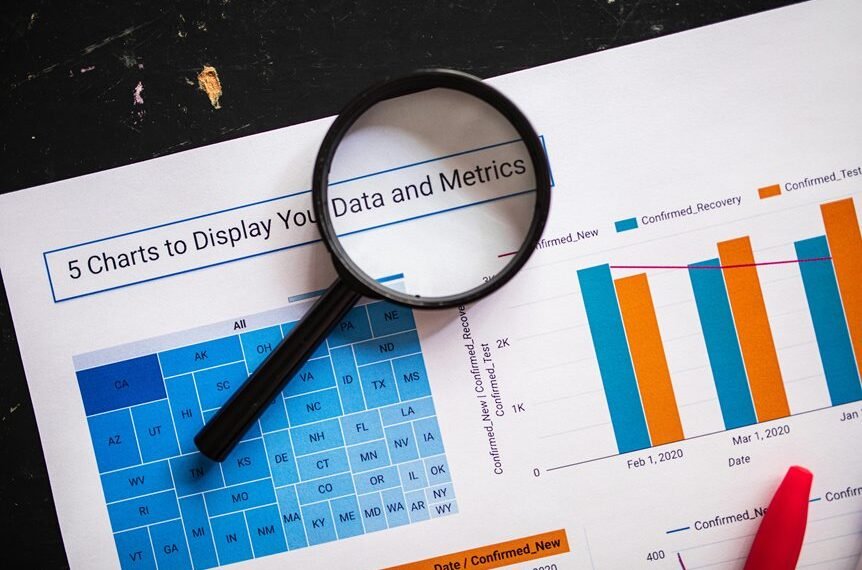
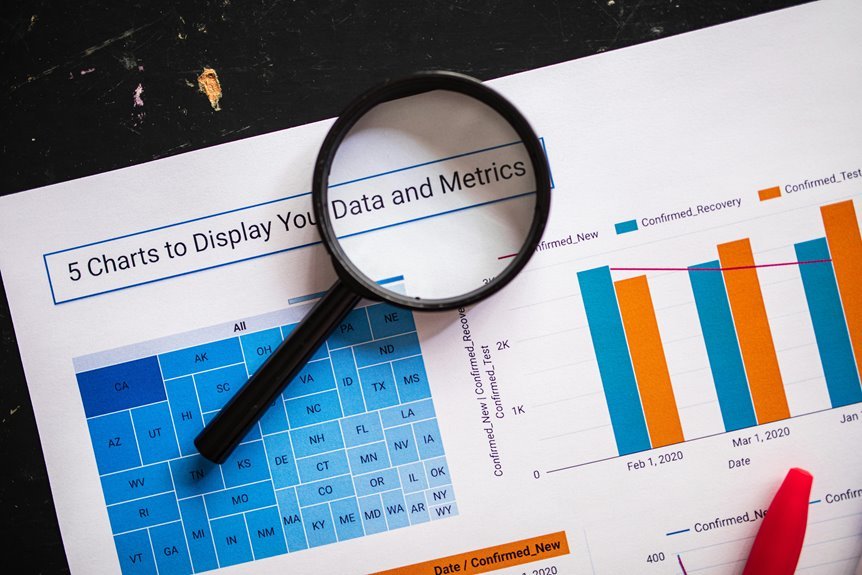
Techniques such as data visualization facilitate the interpretation of intricate patterns, while predictive modeling enables the forecasting of future trends based on historical data.
Implementing Data-Driven Strategies for Competitive Advantage
Data-driven strategies offer organizations a robust framework for achieving competitive advantage in today’s dynamic marketplace.
By leveraging data visualization techniques, businesses can clearly present insights that inform decision-making.
Predictive analytics further enhances this approach, enabling firms to anticipate market trends and consumer behavior.
Together, these tools empower organizations to make informed choices, fostering adaptability and innovation in an increasingly competitive environment.
Conclusion
In conclusion, the integration of strategic market forecasting and operational intelligence is vital for business success. Organizations that effectively utilize data identifiers can improve decision-making processes and boost operational efficiency. Notably, studies indicate that businesses leveraging data-driven strategies are 6 times more likely to retain customers than those that do not. This statistic underscores the profound impact of informed decision-making on customer loyalty and competitive positioning, reinforcing the necessity of embracing robust data analysis methodologies in today’s dynamic market environment.