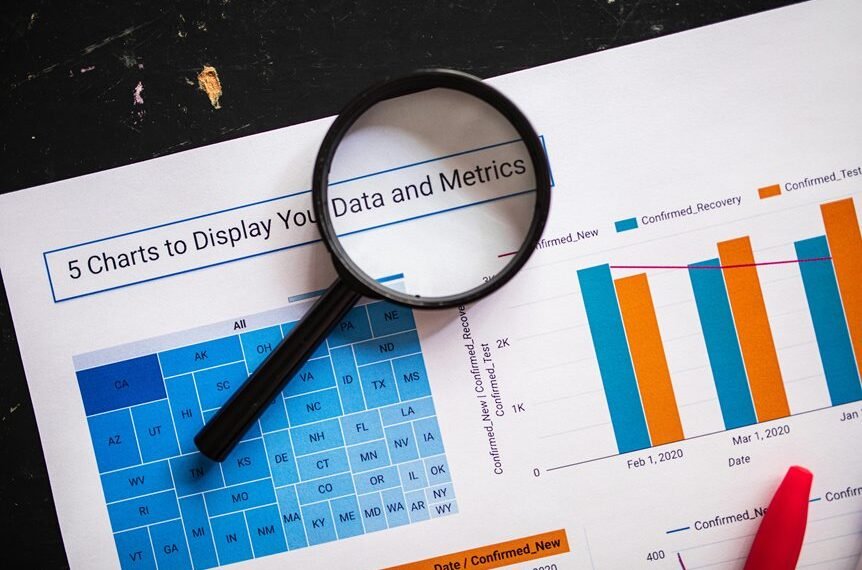
Strategic growth within a competitive landscape requires a nuanced understanding of market dynamics. Companies must analyze key data points to identify trends and consumer preferences. This analytical approach facilitates informed decision-making. Assessing competitive dynamics further reveals opportunities for differentiation. However, the challenge lies in translating insights into actionable strategies. What specific methods can organizations adopt to foster resilience and drive sustained growth in an ever-evolving market?
Analyzing Market Trends Through Key Data Points
As companies navigate an increasingly complex marketplace, analyzing market trends through key data points has become essential for informed strategic decision-making.
Effective market segmentation allows businesses to identify specific consumer groups, tailoring products and services to meet diverse needs.
Utilizing data visualization techniques enhances comprehension, enabling stakeholders to interpret trends swiftly and make agile decisions, ultimately fostering competitive advantage and driving sustainable growth.
Understanding Consumer Behavior and Preferences
Understanding consumer behavior and preferences is a pivotal aspect of strategic growth in today’s marketplace.
Analyzing customer motivations reveals underlying desires that drive purchase patterns. This insight enables businesses to tailor offerings effectively, fostering deeper connections with consumers.
Assessing Competitive Dynamics in the Industry
Competitive dynamics within an industry significantly shape the strategies companies adopt to sustain their market position.
Effective competitive positioning requires a keen understanding of rivals and market trends, enabling firms to achieve meaningful market differentiation.
Strategies for Leveraging Insights for Growth
Insights gained from analyzing competitive dynamics can serve as a foundation for strategic growth.
By employing customer segmentation, organizations can tailor offerings to specific demographics, enhancing customer engagement.
Additionally, predictive analytics enables firms to forecast trends and customer behaviors, allowing for proactive adjustments in strategy.
These methodologies empower businesses to navigate the competitive landscape with agility, fostering sustainable growth and innovation.
Conclusion
In conclusion, strategic growth in a competitive landscape hinges on the adept analysis of market trends and consumer behavior. Notably, a recent study revealed that 70% of consumers are more likely to remain loyal to brands that personalize their offerings, underscoring the importance of tailored strategies. By integrating data-driven insights, organizations can navigate competitive dynamics effectively, fostering resilience and enhancing consumer connections, ultimately driving sustained growth in an ever-evolving marketplace.