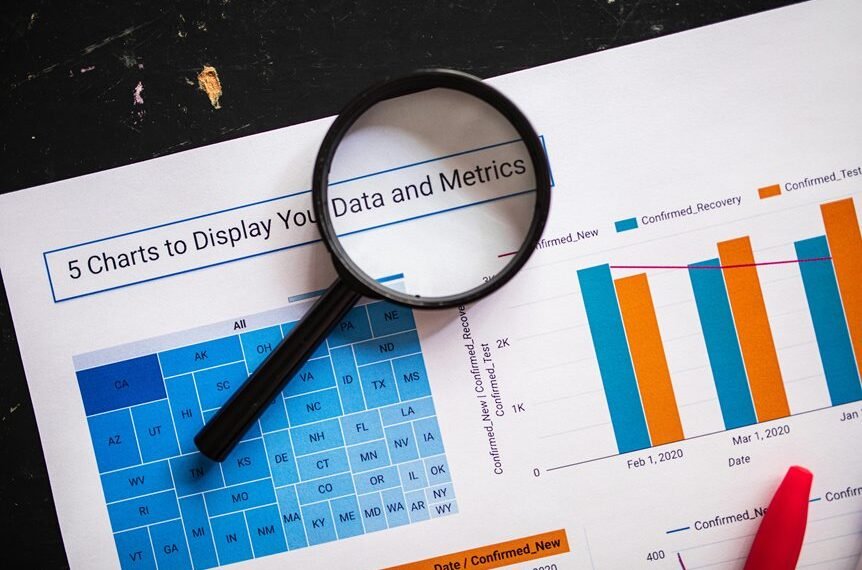
Corporate intelligence and analytics serve as vital instruments for organizations identified by 611365157, 41036033, 6147582138, 120456429, 4041500, and 528570450. These entities leverage performance metrics to enhance their strategic direction and operational efficiency. By adopting data-driven decision-making approaches, they can identify market trends and regulatory requirements. However, the complexities of implementation and the necessity for effective leadership pose significant challenges. The subsequent sections will explore these dynamics further.
Understanding Corporate Identifiers
Corporate identifiers serve as essential tools for distinguishing entities within the complex landscape of business operations.
These unique markers facilitate business registration, ensuring that organizations are recognized and categorized accurately.
By providing clear identification, corporate identifiers enhance transparency and accountability, enabling stakeholders to navigate the marketplace with confidence.
Ultimately, they empower businesses to operate freely while maintaining compliance with regulatory frameworks.
Analyzing Corporate Performance Metrics
Evaluating corporate performance metrics is crucial for understanding an organization’s effectiveness and competitiveness within its industry.
Performance indicators serve as vital benchmarks, offering insights into operational efficiency and financial health. Through metric comparisons, organizations can identify strengths and weaknesses, facilitating strategic adjustments.
Data-Driven Decision Making Strategies
Harnessing data-driven decision-making strategies allows organizations to leverage insights derived from data analytics to inform their strategic choices.
By utilizing data visualization techniques, organizations can present complex data in an easily digestible format, enhancing comprehension.
Additionally, predictive analytics enables businesses to forecast future trends, empowering them to make informed decisions that align with their goals and adapt to market dynamics effectively.
Case Studies on Successful Implementation
Numerous organizations have successfully implemented data-driven strategies to enhance their operational efficiency and decision-making processes.
Case studies reveal that while many companies overcame implementation challenges through innovative solutions, others struggled with resistance to change.
Successful strategies often included strong leadership and continuous training, enabling teams to harness analytics effectively.
These insights underline the importance of adaptability in navigating data-driven transformation.
Conclusion
In the realm of corporate intelligence, the identifiers are akin to navigational stars guiding a ship through turbulent waters. By harnessing performance metrics and data-driven strategies, organizations can chart a course toward growth and transparency. Just as a seasoned captain adapts to shifting winds, leaders must embrace change and foster training to steer their teams effectively. Ultimately, the journey through analytics not only reveals hidden strengths but also illuminates paths to competitive advantage in an ever-evolving marketplace.