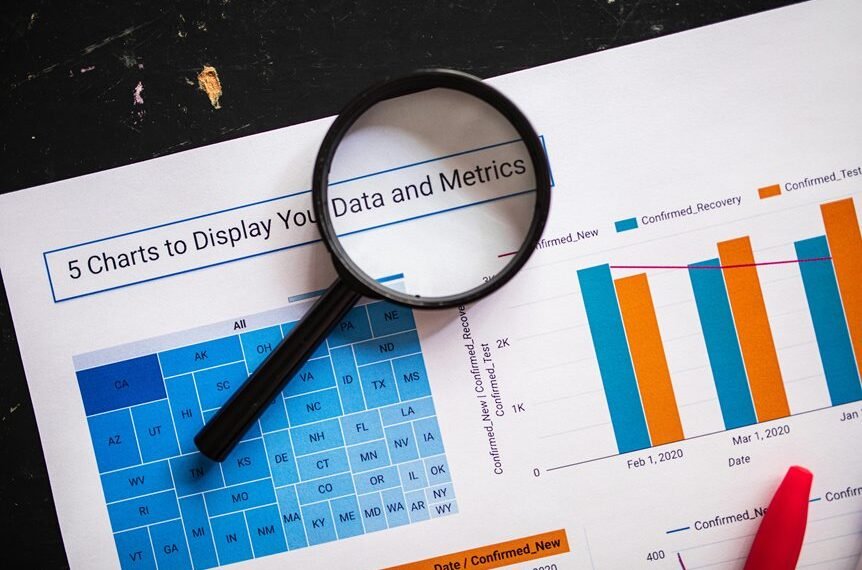
The Executive Analytics, Forecasting Report presents a detailed examination of key identifiers, revealing significant trends in organizational performance. Through advanced analytics, stakeholders can interpret historical data and anticipate market shifts. This approach enhances decision-making and promotes adaptability. However, the real implications of these insights extend beyond mere analysis. They challenge organizations to rethink their strategies and embrace new opportunities. What specific projections emerge from these data points, and how can they influence future growth?
Analyzing Key Identifiers: Insights From the Data Points
In the analysis of key identifiers, the data points reveal critical trends that can inform strategic decision-making.
The significance of these identifiers lies in their ability to facilitate accurate data interpretation, allowing stakeholders to recognize underlying patterns.
Trends and Patterns in Executive Analytics
Frequently, organizations observe notable trends and patterns within executive analytics that can significantly influence strategic initiatives.
Key components include data visualization enhancing user engagement, and performance metrics driving operational efficiency.
Predictive modeling informs decision frameworks, while effective data governance ensures accuracy.
Furthermore, market segmentation allows for targeted strategies, ultimately fostering adaptability and responsiveness to changing environments, crucial for sustaining competitive advantage.
Forecasting Future Outcomes: Projections for Success
Organizations leveraging trends and patterns in executive analytics can enhance their forecasting capabilities, leading to more accurate projections for future outcomes.
By systematically analyzing historical data, these organizations can identify key indicators that correlate with success projections.
This analytical approach empowers decision-makers to anticipate challenges, optimize strategies, and ultimately navigate towards desired future outcomes, fostering a culture of informed, data-driven decision-making.
Strategic Decision-Making: Leveraging Analytics for Growth
Harnessing the power of executive analytics can significantly enhance strategic decision-making processes, driving organizational growth.
By implementing data-driven strategies and robust analytical frameworks, companies can identify trends, optimize resource allocation, and anticipate market shifts.
This approach not only fosters informed choices but also empowers organizations to adapt swiftly, ensuring they remain competitive in an increasingly dynamic environment while pursuing expansive opportunities for advancement.
Conclusion
In conclusion, the insights derived from the Executive Analytics, Forecasting Report serve as a compass in the turbulent seas of market dynamics. Just as navigators rely on stars to chart their course, organizations can utilize these data points to illuminate pathways toward informed decision-making and strategic growth. By embracing a culture of adaptability and foresight, businesses are better equipped to seize emerging opportunities, ensuring they remain steadfast and resilient amid uncertainty.