Executive analytics serves as a pivotal tool in recognizing market opportunities. By transforming data into strategic insights, organizations can evaluate their market position effectively. Key metrics, such as customer acquisition costs and lifetime value, emerge as critical indicators. However, the true potential of these insights often remains untapped. Exploring successful case studies can reveal how organizations are harnessing these analytics to drive growth and innovation. The implications of these strategies on competitive advantage are worth considering.
Understanding Executive Analytics and Its Importance
Although many organizations recognize the value of data-driven decision-making, understanding executive analytics remains essential for effectively leveraging this potential.
Executive analytics facilitates performance measurement by transforming raw data into actionable insights, enabling leaders to make informed choices.
Key Metrics for Identifying Market Opportunities
Identifying market opportunities requires a keen analysis of key metrics that provide insight into consumer behavior, market trends, and competitive positioning.
Metrics such as customer acquisition costs, lifetime value, and market share enable businesses to gauge shifts in consumer preferences.
Strategies for Leveraging Data Insights
Harnessing data insights effectively can transform a business’s strategic approach and drive significant market advantage.
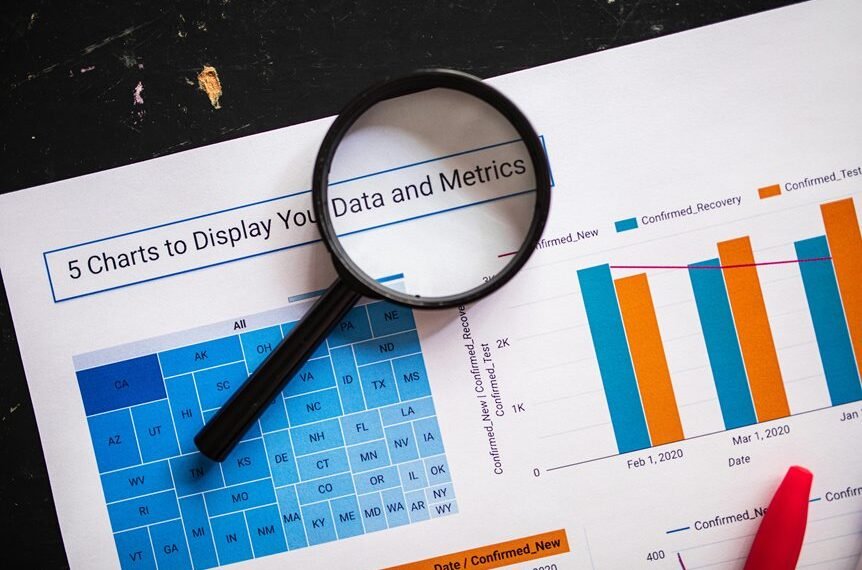
By employing data visualization techniques, organizations can present complex information clearly, facilitating informed decision-making.
Additionally, predictive modeling allows businesses to anticipate market trends and consumer behavior, enabling proactive strategies.
Together, these methodologies empower companies to capitalize on opportunities, fostering agility and innovation in a competitive landscape.
Case Studies: Successful Implementation of Executive Analytics
Examining successful implementations of executive analytics reveals critical insights into how organizations can leverage data to enhance decision-making and drive growth.
Companies utilizing executive dashboards effectively employ data visualization techniques to present complex information clearly, facilitating rapid interpretation.
Such practices not only support strategic initiatives but also empower leaders to make informed choices, ultimately fostering a culture of data-driven innovation and operational excellence.
Conclusion
In the dynamic landscape of modern business, executive analytics serves as a beacon, illuminating pathways to untapped market opportunities. By transforming raw data into strategic insights, organizations can navigate the turbulent waters of competition with agility and foresight. As leaders harness key metrics and innovative strategies, they cultivate a fertile ground for growth and innovation. Ultimately, the judicious application of analytics not only enhances decision-making but also ensures that companies thrive amidst the ever-evolving market currents.