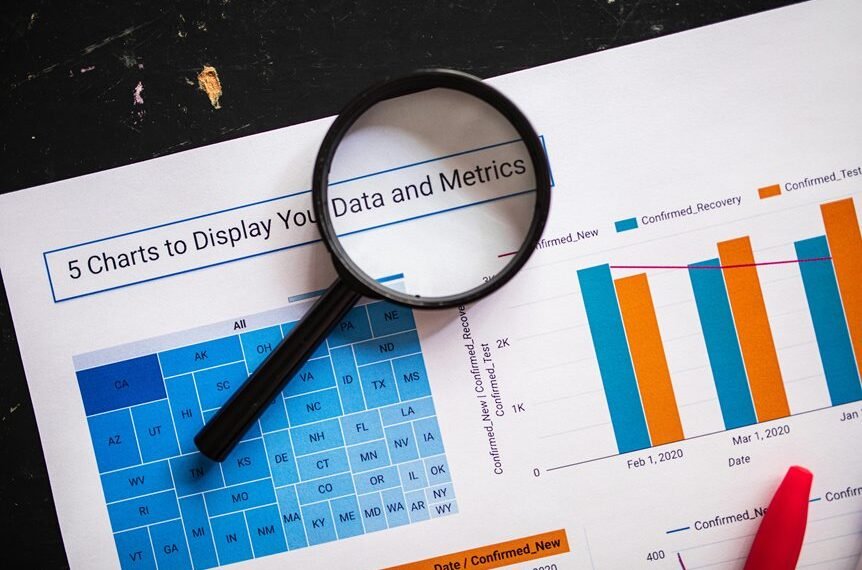
Innovation and growth analytics are essential for organizations navigating dynamic markets. Utilizing unique identifiers such as 931205932, 625552717, and others enhances data accuracy and tracking capabilities. These identifiers provide a framework for analyzing performance and identifying growth opportunities. This structured approach enables companies to make informed decisions. However, the methods for effectively implementing these analytics remain critical to their success. What strategies might organizations adopt to maximize these insights?
Understanding Innovation & Growth Analytics
As organizations increasingly recognize the importance of adapting to a rapidly changing market landscape, understanding innovation and growth analytics becomes essential.
By examining innovation metrics and growth trends, companies can identify opportunities for improvement and capitalize on emerging market demands.
This analytical approach enables them to foster a culture of creativity, driving sustainable growth while maintaining the freedom to explore diverse strategic avenues.
The Importance of Unique Identifiers in Data Analysis
Unique identifiers play a pivotal role in data analysis, serving as fundamental tools that enhance the accuracy and reliability of insights derived from complex datasets.
By ensuring data integrity through identifier standardization, organizations can effectively track and analyze information across various dimensions.
This standardization fosters consistency, enabling researchers and analysts to draw meaningful conclusions while minimizing the risk of errors and discrepancies in data interpretation.
Transforming Data Into Actionable Insights
Transforming raw data into actionable insights requires a systematic approach that prioritizes analysis and interpretation.
Effective utilization of data visualization techniques enables stakeholders to comprehend complex data patterns swiftly.
Meanwhile, predictive analytics models facilitate forecasting and informed decision-making.
Strategies for Implementing Growth Analytics in Your Organization
Implementing growth analytics within an organization necessitates a strategic framework that aligns data initiatives with business objectives.
Organizations should prioritize the establishment of robust growth frameworks and define clear performance metrics to gauge progress.
Conclusion
In conclusion, the integration of innovation and growth analytics, supported by unique identifiers, empowers organizations to navigate complex market landscapes with precision. While some may argue that the reliance on such identifiers complicates data management, it is essential to recognize that these tools enhance the accuracy and reliability of insights, ultimately fostering informed decision-making. By adopting structured strategies for growth analytics, organizations can effectively leverage data to drive sustainable success and maintain a competitive edge in their industries.