Market trends and competitive intelligence are essential for modern businesses navigating complex landscapes. The data points 120022568, 8043128356, 619852181, 669852844, 120651990, and 6303002386000 represent various metrics that can reveal consumer behavior and market dynamics. By analyzing these figures, organizations can uncover significant patterns and insights. This analytical approach raises questions about how effectively companies can leverage such data to enhance their strategic frameworks and maintain a competitive edge.
Analyzing the Data Points: What They Represent
Data points serve as the foundational building blocks for understanding market trends and competitive dynamics. Their numerical significance hinges on accurate data interpretation, allowing analysts to discern patterns and draw meaningful conclusions.
Each data point encapsulates specific information, contributing to a larger narrative about consumer behavior and market fluctuations. Consequently, businesses can make informed decisions, promoting strategic freedom and adaptability in an ever-changing marketplace.
Identifying Market Trends Through Data Analysis
While various methodologies exist for market analysis, identifying trends through data analysis remains a critical process that allows businesses to anticipate shifts in consumer behavior and market demands.
Competitive Intelligence: Gaining Insights From Numbers
Although competitive intelligence often relies on qualitative insights, the quantitative aspect—derived from numerical data—plays a pivotal role in shaping strategic business decisions.
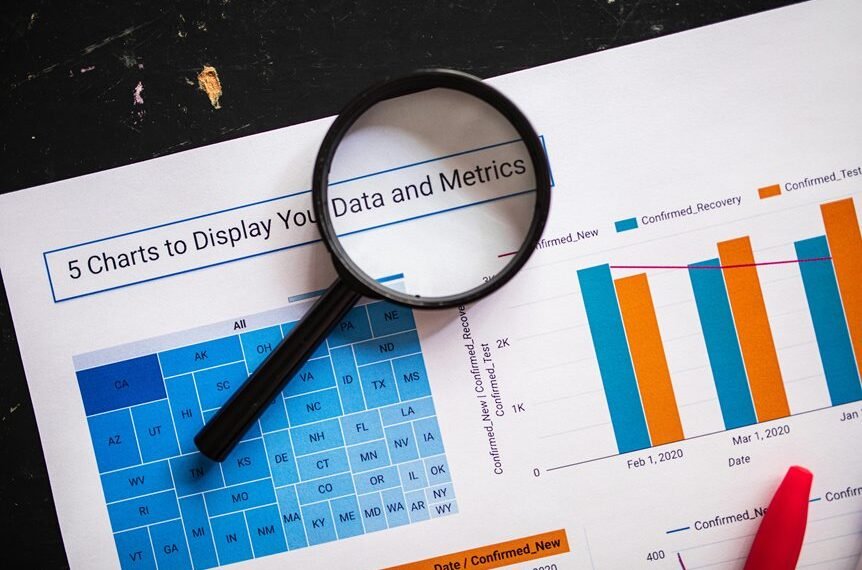
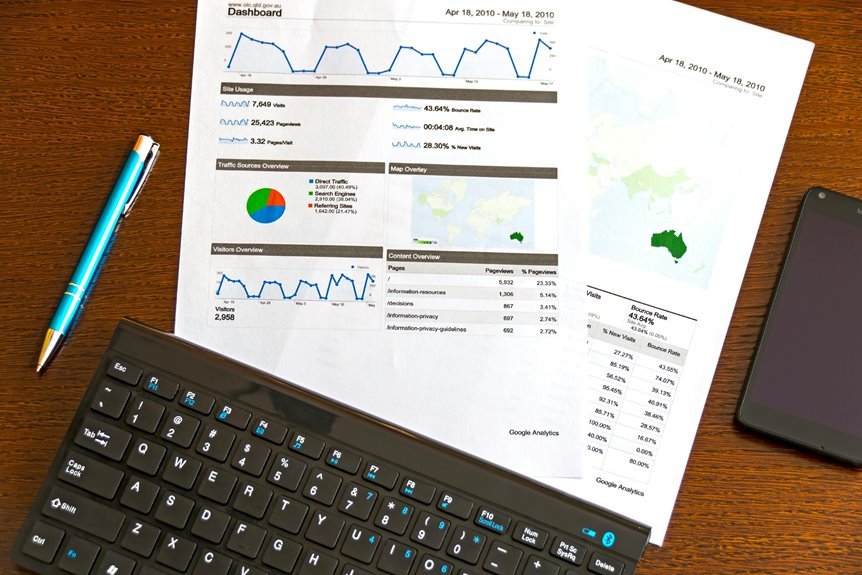
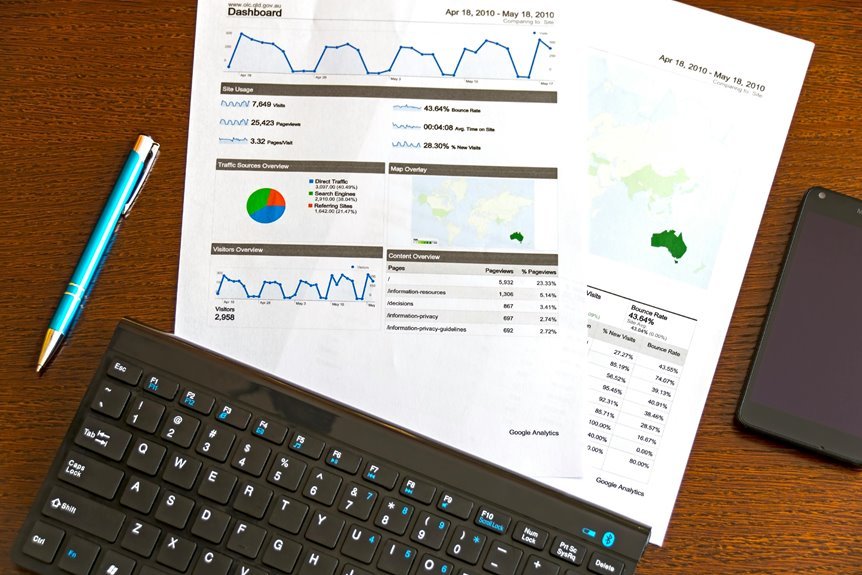
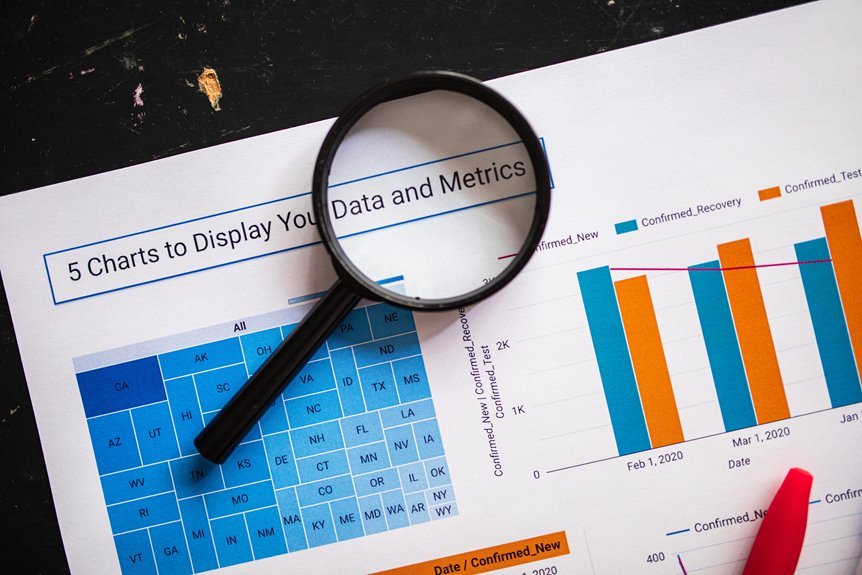
By employing data visualization techniques, organizations can uncover numerical patterns that reveal competitors’ strengths and weaknesses.
This approach not only enhances understanding of market dynamics but also empowers companies to make informed decisions, fostering a landscape of freedom and adaptability.
Strategic Decision-Making: Leveraging Data for Growth
Effective strategic decision-making hinges on the ability to harness data as a catalyst for growth.
By employing data visualization techniques, organizations can transform complex datasets into accessible insights.
Predictive analytics further enhances this process, allowing decision-makers to forecast trends and behaviors.
Together, these tools empower businesses to make informed choices, fostering agility and driving sustainable growth in an ever-evolving market landscape.
Conclusion
In conclusion, the intricate tapestry woven from data points such as 120022568 and 8043128356 reveals a wealth of insights that, when deftly interpreted, can illuminate the path to sustained growth. By embracing the subtle art of predictive analytics and competitive intelligence, organizations can navigate the ever-shifting landscape with finesse. Ultimately, the judicious application of these data-driven strategies empowers businesses to not merely survive, but to thrive amidst the vibrant currents of market dynamics.