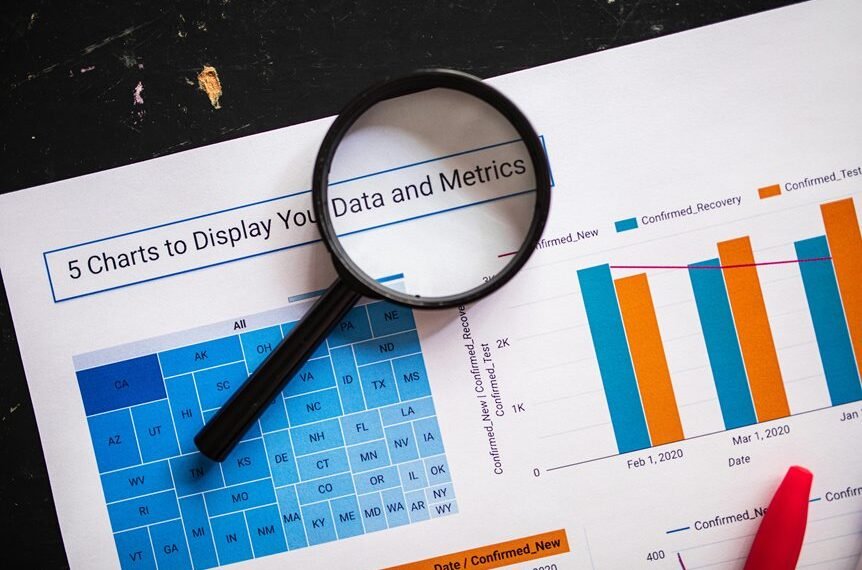
Performance monitoring and market forecasting are essential components for business success. The specific figures 669767311, 651805639, 623289067, 662912158, and 955677963 represent potential key performance indicators. Understanding these metrics can reveal significant insights into market trends. Organizations that effectively analyze such data can better adapt to changing consumer behaviors. However, the challenge lies in how to systematically implement these monitoring systems for optimal strategic advantage. What implications do these numbers hold for future strategies?
Understanding Key Performance Indicators
While organizations often recognize the importance of performance monitoring, understanding Key Performance Indicators (KPIs) is crucial for effective decision-making.
KPI definitions provide clarity, while performance benchmarks establish standards for success.
Measurement frameworks facilitate structured evaluation, and data visualization enhances comprehension.
Through metric analysis, organizations can ensure goal alignment, fostering an environment conducive to informed choices and strategic growth in pursuit of freedom and efficiency.
Analyzing Market Trends Through Forecasting
Effective performance monitoring not only involves evaluating KPIs but also extends to understanding market dynamics through forecasting.
By employing trend analysis, organizations can identify patterns and shifts in consumer behavior, enabling them to adapt proactively.
This strategic approach allows businesses to navigate uncertainties, seize opportunities, and align their operations with evolving market conditions, ultimately fostering a competitive advantage in an ever-changing landscape.
The Role of Data in Strategic Decision-Making
Data serves as the backbone of strategic decision-making within organizations, providing a foundation for informed choices and actions.
By leveraging data-driven insights, companies can achieve strategic alignment with market demands and internal objectives.
This analytical approach ensures that decisions are not merely instinctual but grounded in empirical evidence, enhancing the likelihood of successful outcomes and fostering adaptability in an ever-evolving business landscape.
Implementing Effective Performance Monitoring Systems
As organizations strive for competitive advantage, the implementation of robust performance monitoring systems becomes essential to track progress and assess effectiveness.
Effective systems should encompass clear performance metrics tailored to specific objectives, ensuring alignment with strategic goals.
Furthermore, system integration is crucial, enabling seamless data flow across departments and fostering informed decision-making, ultimately empowering organizations to adapt and thrive in dynamic market environments.
Conclusion
In conclusion, the meticulous analysis of performance metrics such as 669767311, 651805639, 623289067, 662912158, and 955677963 illuminates crucial market trends that inform strategic decisions. Like a compass guiding a ship through turbulent waters, effective performance monitoring systems enable organizations to navigate the complexities of consumer behavior and competitive landscapes. By leveraging data-driven insights, businesses can not only adapt but also thrive, ensuring sustained growth and innovation in an ever-evolving marketplace.