Strategic planning and operational forecasting are critical components for organizational success in today’s rapidly evolving landscape. By analyzing pivotal datasets like 618667152 and 2083108204, companies can uncover valuable insights that shape their strategic direction. Understanding these data points is just the beginning, as identifying trends and employing forecasting techniques can significantly influence resource allocation and market positioning. What remains to be explored are the specific methodologies that can transform this data into actionable strategies.
Understanding the Importance of Data-Driven Insights
Data-driven insights serve as the cornerstone of effective strategic planning and operational forecasting.
Through data analytics, organizations can enhance insight generation, identifying trends and patterns that inform decision-making. This analytical approach empowers leaders to anticipate challenges and seize opportunities, fostering an environment where freedom to innovate thrives.
Analyzing Key Datasets for Strategic Planning
Organizations must identify and analyze key datasets to inform their strategic planning processes effectively.
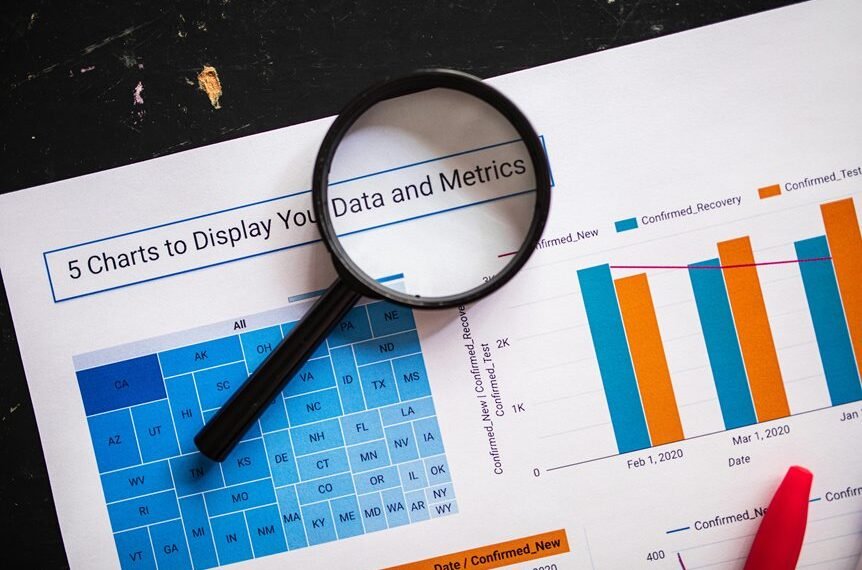
Through data visualization techniques, stakeholders can uncover insights that facilitate dataset comparison, revealing trends and performance metrics.
This analytical approach empowers organizations to make informed decisions, enhancing their ability to adapt and thrive in a dynamic environment.
Ultimately, leveraging these datasets fosters a culture of informed freedom and innovation.
Identifying Emerging Trends and Opportunities
While navigating the complexities of a rapidly changing market landscape, identifying emerging trends and opportunities becomes essential for sustained organizational growth.
Trend identification facilitates awareness of shifts in consumer behavior, while opportunity mapping allows organizations to visualize potential pathways for innovation.
Implementing Effective Forecasting Techniques
Forecasting techniques serve as critical tools for organizations aiming to navigate future uncertainties and align their strategic objectives.
By leveraging advanced forecasting models and predictive analytics, businesses can enhance decision-making processes, optimize resource allocation, and anticipate market dynamics.
Implementing these techniques fosters a proactive approach, empowering organizations to adapt swiftly and effectively to changes, thus ensuring sustained growth and competitive advantage in an ever-evolving landscape.
Conclusion
In the intricate tapestry of strategic planning and operational forecasting, the threads of data weave a narrative rich with potential. By meticulously analyzing key datasets, organizations can illuminate patterns akin to constellations guiding a ship through uncharted waters. This foresight empowers leaders to navigate market shifts, harnessing emerging trends like seeds of innovation that blossom into competitive advantages. Ultimately, the harmonious blend of insight and foresight cultivates a fertile ground for sustained growth, ensuring organizations flourish amidst the ever-changing landscape.